/filters:format(jpeg,png)/fit-in/300x300/guide_websites/65832/images/1775456071563key-dives-website-logo.webp)
/filters:format(jpeg,png)/fit-in/237x80/guide_websites/65832/images/1775456071563key-dives-website-logo.webp)
/fit-in/1200x1200/users/92c74351-0534-4dc1-b1d4-27e522e834d1/pagedata/normal_u264_div-mufja0gy.jpg)
%2Ffit-in%2F300x300%2Fusers%2F92c74351-0534-4dc1-b1d4-27e522e834d1%2Fprofile%2F1782815236861-mr0iea5q.webp&w=128&q=75)





 Published: Sep 24, 2026
 Last Updated: Sep 30, 2026
 3 min read
Summary
Many anglers believe that bringing bananas on a fishing boat brings bad luck, but the superstition likely has historical roots rather than any real curse. One theory is that early banana shipments carried hidden spiders and snakes, leading to dangerous bites for sailors. Another is that old banana cargo ships often sank, leaving floating banana stalks as eerie reminders of maritime disasters. Over time, these events helped cement the legend that bananas are unlucky at sea.
The Origins of the Superstition
Ask any offshore captain why bananas aren't welcome on deck and you'll get a knowing look before the explanation. It's one of fishing's oldest, stickiest superstitions — and unlike most sea lore, this one has a documented practical backstory, not just folklore.
In the 18th and 19th centuries, as the banana trade between Latin America and ports in the U.S. and Europe took off, whole stalks were loaded into cargo holds green, hands and all. Straight off tropical plantations, those stalks sometimes carried unwelcome stowaways — spiders and snakes tucked among the leaves — and crew handling the cargo occasionally got bitten.
Lethal Spriders & Venomous Stowaways
Harvesting bananas in the tropical plantations of Central and South America involved cutting down massive, dense bunches of fruit. These humid, overlapping banana bunches were the perfect natural shelter for some of the world's most dangerous creatures.
Chief among these was the infamous **Brazilian Wandering Spider** (species *Phoneutria*), colloquially known as the "banana spider." These large, aggressive, and highly venomous arachnids would nest deep within the fruit bunches. When the bananas were loaded into confined cargo holds, the spiders came along for the ride.
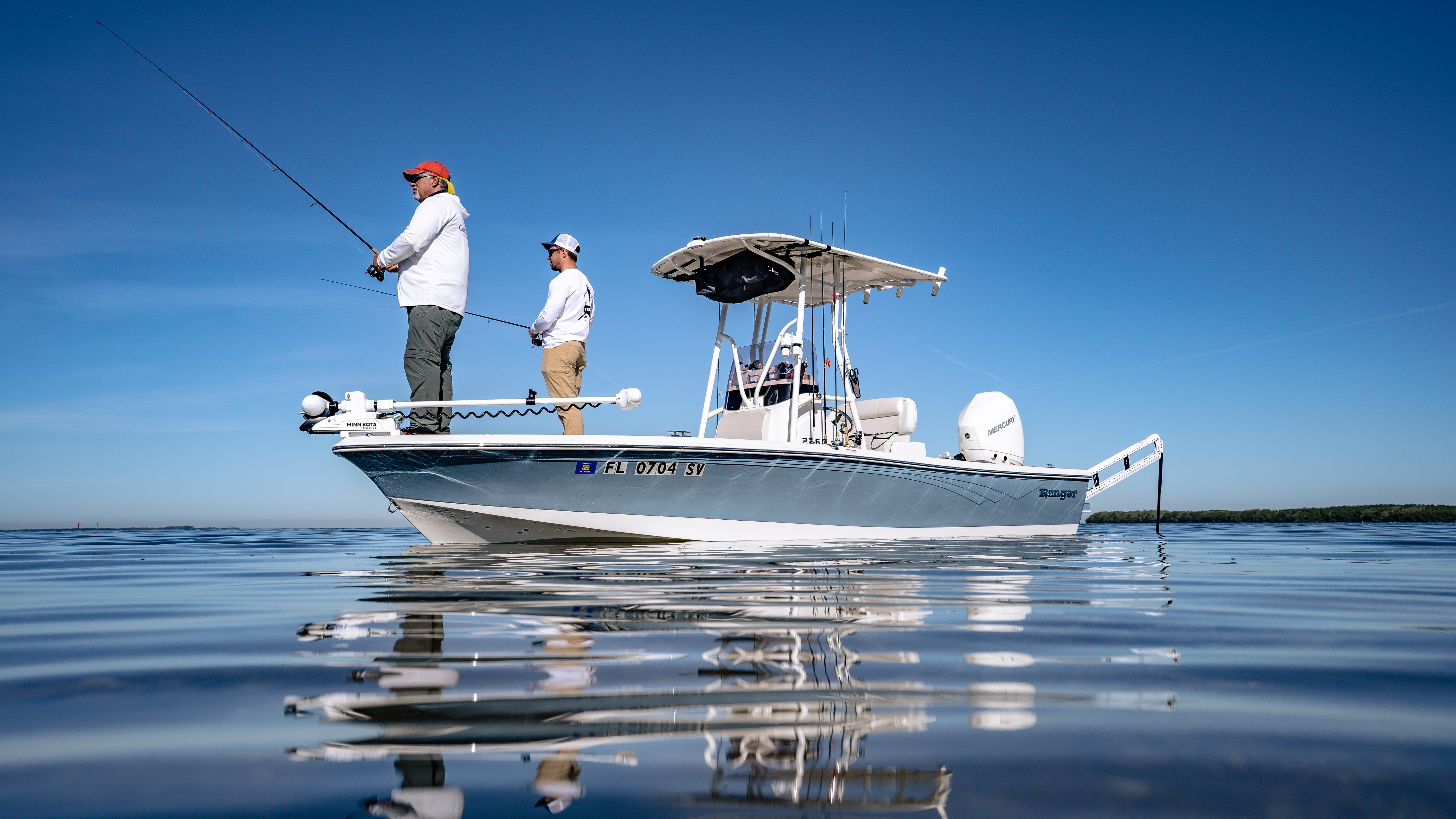
Two Competing Theories & Evidence
Historians generally point to two intertwined explanations for how bananas got blamed — one about the cargo, one about the ships that carried it.
| Theory | Core Claim | Era Cited | Evidence Level |
| Venomous stowaways | Spiders/snakes hidden in banana stalks bit crew | 1700s–1800s | Documented |
| Ethylene spoilage | Ripening bananas sped spoilage of nearby food | 1700s–1900s | Documented |
| "Doomed ships" cargo | Banana runs used a fleet's oldest vessels; wrecks left cargo afloat | 1800s | Anecdotal |
| Reinforcement bias | Any bad trip with bananas aboard was retroactively blamed on them | Ongoing | Folklore |
Methane Accumulation & Spontaneous Combustion
When vast quantities of bananas decomposed rapidly in sealed, unventilated lower holds, they didn't just rot—they fermented. Methane is lighter than air, highly flammable, and can act as an asphyxiant in high concentrations. On wooden ships lit entirely by tallow candles and oil lanterns, a build-up of explosive methane gas was a ticking time bomb. Ships would spontaneously catch fire or experience explosive hull failures in the middle of the ocean, sinking without leaving a single survivor to explain what happened.
/fit-in/300x300/users/92c74351-0534-4dc1-b1d4-27e522e834d1/pagedata/normal_u264_div-mufja0gy.jpg)
/fit-in/300x300/users/18b2ad52-d04c-4c0a-8ecb-aa9b08e29783/images/colorful-fish-rain-barrel-village-3257.png)
/fit-in/300x300/users/92c74351-0534-4dc1-b1d4-27e522e834d1/pagedata/scuba_1-mq142u5i.png)