/filters:format(jpeg,png)/fit-in/300x300/guide_websites/65832/images/1775456071563key-dives-website-logo.webp)
/filters:format(jpeg,png)/fit-in/237x80/guide_websites/65832/images/1775456071563key-dives-website-logo.webp)
Florida Keys Fishing Guide: Read Tides & Currents Like a Pro
%2Ffit-in%2F300x300%2Fusers%2F92c74351-0534-4dc1-b1d4-27e522e834d1%2Fprofile%2F1782815236861-mr0iea5q.webp&w=128&q=75)





 Published: Sep 15, 2026
 Last Updated: Sep 22, 2026
 7 min read
Master the Waters: A Complete Florida Keys Fishing Guide to Reading Tides and Currents
The difference between an empty cooler and a successful day on the water often comes down to understanding one crucial element: timing. In the Florida Keys, where world-class fishing meets complex tidal systems, knowing how to read water movement can transform your angling success. This comprehensive Florida Keys fishing guide reveals the insider secrets that professional captains use to predict fish behavior and position themselves for maximum results.
Understanding Tidal Fundamentals in the Keys
The Florida Keys experience a mixed semidiurnal tidal pattern, meaning two high tides and two low tides occur each day, but they're rarely identical in height. Unlike the dramatic tidal swings found along the Atlantic coast, the Keys typically see tidal ranges between 1-3 feet. Don't let these modest numbers fool you – even small tidal movements create significant current flows through the numerous channels, flats, and cuts that define this unique ecosystem.
 Photo by Eyestetix Studio on Unsplash
Water movement begins approximately one hour before low tide and continues for about an hour after high tide. The strongest currents typically occur during the middle two hours of each tidal phase. Professional fishing guides in Islamorada consistently report that fish activity peaks during these transition periods when baitfish get swept along by moving water.
Current Patterns That Drive Fish Behavior
Currents in the Keys flow in predictable patterns that smart anglers can exploit. During incoming tides, water pushes across the flats from the Atlantic side, carrying nutrients and baitfish toward shallow feeding areas. Snook, tarpon, and redfish position themselves along current breaks – edges where fast-moving water meets slower zones.
Outgoing tides reverse this process, funneling baitfish through narrow channels and cuts as water drains back toward deeper areas. Predator fish wait in ambush positions at these natural funnels. The best fishing guide services recognize these patterns and position their boats accordingly.
Reading Water Movement Like a Professional
Successful anglers develop the ability to "read" water visually. Moving water creates subtle surface disturbances that reveal current direction and strength. Look for:
Debris or sargassum weed drifting consistently in one direction indicates current flow. Stationary objects like channel markers lean away from the current – if a marker tilts southwest, current flows from the northeast. Water color changes often mark current edges where different water masses meet.
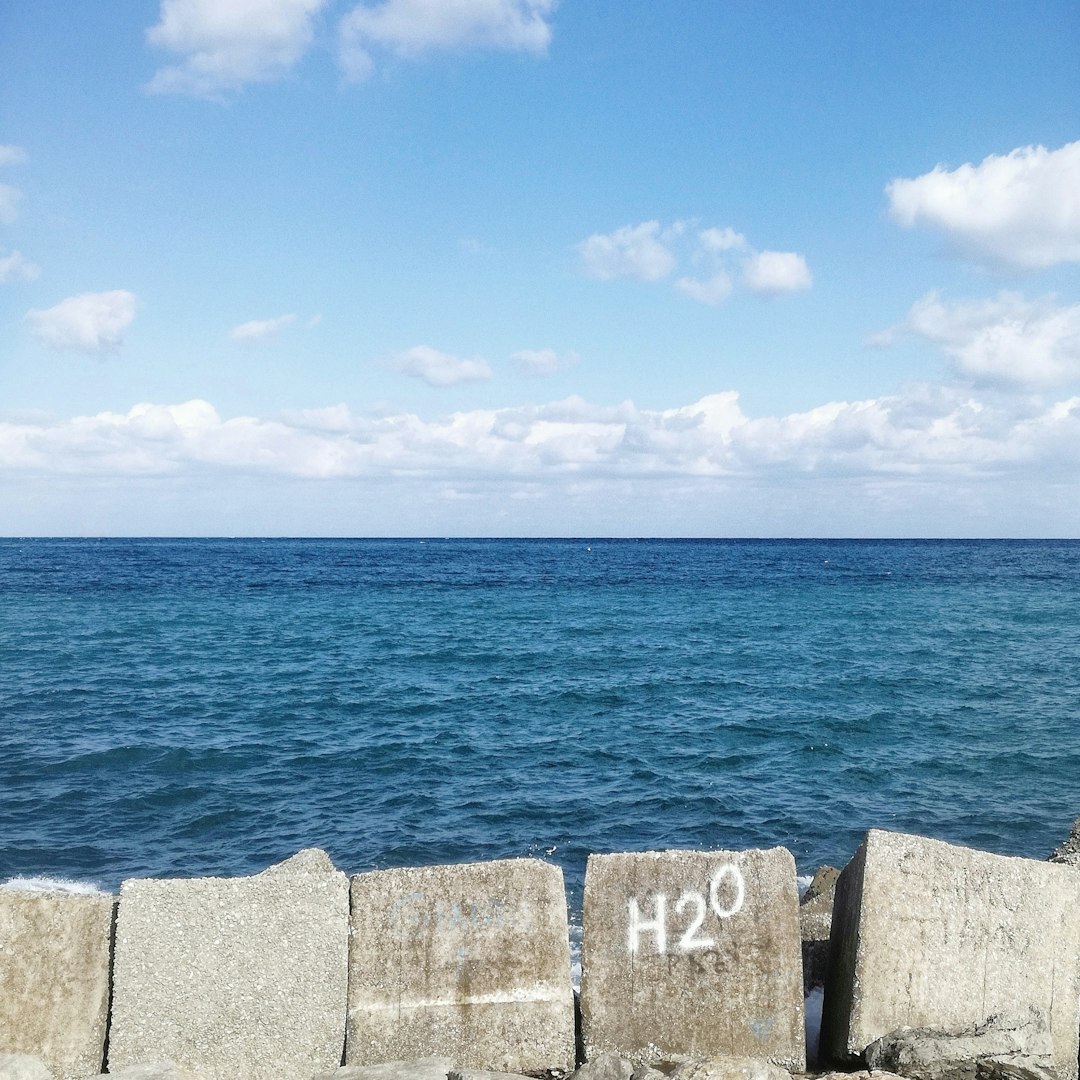 Photo by Giuseppe Gallo on Unsplash
Professional captains also watch bird behavior. Pelicans and frigatebirds concentrate where currents push baitfish into predictable areas. Diving birds almost always indicate active feeding zones worth investigating.
Technology Tools for Tide and Current Analysis
Modern fishing relies on combining traditional observation skills with technological aids. Smartphone apps like Tide Charts and Saltwater Tides provide accurate local predictions, but remember that actual conditions can vary from predictions due to wind, barometric pressure, and seasonal factors.
GPS chartplotters with tide overlays show real-time tidal information relative to your exact position. This proves invaluable when fishing multiple spots during a single trip. Many Islamorada fishing charters use these tools to optimize their daily routes based on tidal timing.
Timing Your Fishing Strategy
Different species respond to tidal phases in distinct ways. Tarpon fishing typically peaks during the last two hours of incoming tide and first hour of outgoing tide. These silver kings feed aggressively as currents concentrate bait along channel edges and bridge pilings.
Permit prefer the middle stages of incoming tides when water movement isn't too strong but provides enough current to stir up crabs and shrimp on turtle grass flats. Bonefish often feed most actively during slack tide periods when they can hunt undisturbed in very shallow water.
 Photo by Abhay Patel on Unsplash
Reef fishing follows different rules entirely. Snappers, groupers, and other bottom species bite best during slack periods between major tidal changes when currents allow precise bait presentation near structure.
Seasonal Variations in Keys Fishing
Tidal influence varies seasonally in the Keys. Summer months bring weaker tidal flows but more consistent fish patterns. Winter features stronger currents that can scatter baitfish and require adjusted strategies. Spring and fall transitions often produce the most predictable fishing as moderate currents coincide with active feeding periods.
A knowledgeable fishing travel guide Florida Keys will adjust techniques based on these seasonal patterns. Winter fishing might require heavier tackle to handle stronger currents, while summer calls for lighter presentations in calmer conditions.
Common Mistakes to Avoid
Many visiting anglers make the mistake of fishing during dead slack periods when water movement stops completely. While some species feed during slack water, most Keys fish prefer some current movement. Complete stillness often signals poor fishing conditions.
Another frequent error involves fighting rather than using current flow. Instead of anchoring directly upcurrent from your target area, position slightly to one side and let natural drift carry your baits into the strike zone. This approach appears more natural to fish and results in better hookup ratios.
Putting Knowledge into Practice
The most effective approach combines all these elements into a cohesive fishing plan. Start each day by checking tidal charts and identifying peak current periods. Plan your fishing locations to match these timeframes – hit shallow flats during incoming tides and focus on deeper channels during outgoing periods.
Ready to put these tide-reading skills to work? Contact our experienced captains to book your next Florida Keys fishing adventure and experience firsthand how professional guides use tidal knowledge to consistently find fish.
Mastering tide and current patterns transforms casual fishing trips into productive adventures. The Florida Keys offer some of the world's finest angling opportunities, but success requires understanding how water movement influences fish behavior. By combining traditional observation skills with modern technology and proven timing strategies, you'll consistently outperform anglers who simply show up and hope for the best. The difference between good fishing and great fishing often lies in these fundamental skills that separate novices from seasoned professionals.