/filters:format(jpeg,png)/fit-in/300x300/guide_websites/65832/images/1775456071563key-dives-website-logo.webp)
/filters:format(jpeg,png)/fit-in/237x80/guide_websites/65832/images/1775456071563key-dives-website-logo.webp)
Scuba Diving in Islamorada with Morgan Gardner
Scuba Diving in Islamorada - What to Expect
%2F%2Fusers%2F92c74351-0534-4dc1-b1d4-27e522e834d1%2Fimages%2Fyoung-rider-horse-training-session-2659.jpg&w=1920&q=75)
Fishing Activity by Instructor Morgan Gardner in September
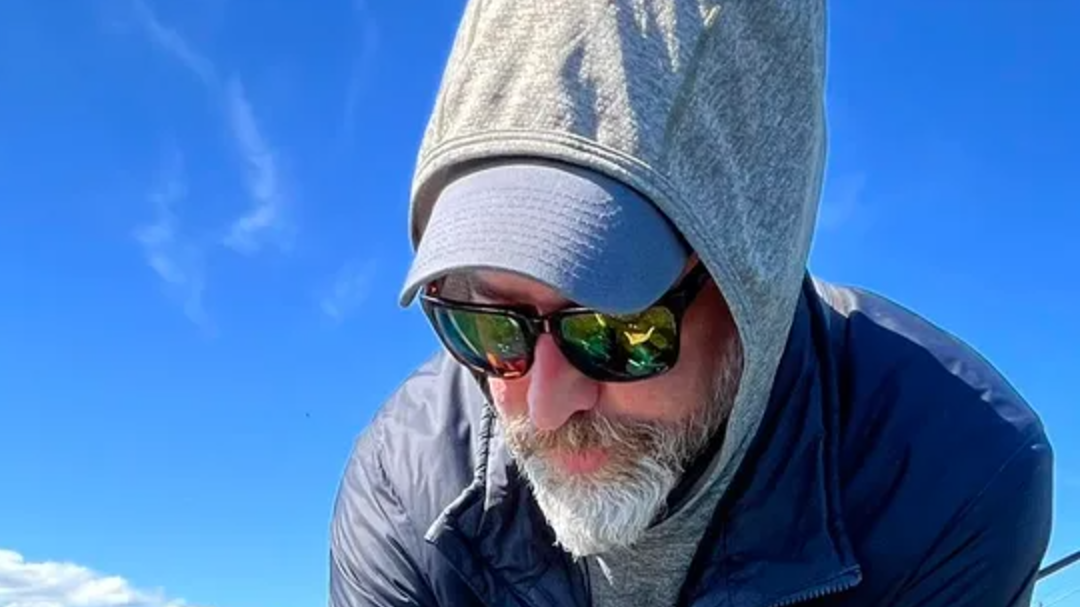
Meet your Instructor Mike Goldberg
- Conservation Coordinator/ PADI & SSI Instructor


Summary
Join us for an exhilarating scuba diving adventure in Islamorada on Wednesday, August 26. This guided experience showcases the incredible fishes and marine habitats that make the Florida Keys a world-class diving destination, led by experienced instructor Morgan Gardner of Key Dives.
Scuba Diving with Morgan Gardner - Rates & Booking
Instructor Morgan Gardner of Key Dives leads scuba diving expeditions in Islamorada on Wednesday, August 26. Whether you're a certified diver looking to explore pristine reef systems or taking your first steps into underwater exploration, this guided experience delivers thrilling encounters with marine ecosystems that define the Florida Keys.
Our scuba diving trips prioritize safety, instruction quality, and unforgettable water time. Morgan brings extensive local expertise to every dive, reading conditions and navigating you to the best marine habitats where you'll encounter diverse fish species and coral formations. All necessary guidance and instruction are provided to ensure you maximize every moment underwater.
Ready to dive in? Contact Key Dives to reserve your spot and get details on current availability, group sizes, and any additional inclusions for your Islamorada scuba experience.
Highlights of Scuba Diving in Islamorada
Islamorada's underwater world explodes with energy and life. Crystal-clear waters reveal vibrant reef communities, dramatic coral structures, and abundant fish populations that make every descent an adventure. The shallow reefs and deeper walls offer varied dive profiles, keeping the experience fresh whether you're exploring your first underwater environment or seeking advanced challenges.
Morgan Gardner's instruction focuses on building confidence and competence, allowing divers to move through the water with purpose while absorbing the natural beauty surrounding them. The mix of reef ecology, fish behavior, and clear visibility creates the ideal conditions for meaningful underwater engagement.
Scuba Diving Experience in Islamorada
Stepping into Islamorada's waters puts you directly into one of the Atlantic's most dynamic marine environments. The area's fish populations thrive across multiple reef zones, from shallow patch reefs teeming with activity to deeper structures hosting larger pelagic species. Each dive reveals distinct ecosystems - some dominated by schooling species moving in coordinated patterns, others showcasing territorial fish defending specific reef sections.
The terrain itself shapes your experience. Coral formations create natural highways and hiding spots, while the sandy patches between reefs offer open-water navigation opportunities. Water conditions in Islamorada typically deliver excellent visibility, allowing you to spot marine life from distance and observe natural behaviors without disturbing habitats.
Local knowledge makes the difference here. Morgan Gardner understands seasonal fish migrations, current patterns, and which specific reefs showcase peak activity. This expertise means your dive time connects you to living systems rather than just passing through underwater scenery. You're positioned to witness actual marine life dynamics - predator-prey interactions, feeding patterns, schooling behavior, and territorial displays that reveal how reef ecosystems actually function.
The human element of diving adds another dimension. Training with Morgan builds muscle memory and confident technique, which directly translates to smoother, more controlled underwater movement. This control lets you stay present during encounters, adjust positioning to observe details, and move through reefs without stress. Group dynamics matter too - shared moments of discovery and the collective energy when spotting significant species intensify the overall experience.
Weather and seasonal timing influence what you encounter. Summer months bring different fish populations and activity patterns compared to cooler seasons. Current strength, water temperature, and visibility fluctuate, each affecting which reef zones are most active and accessible. Morgan's planning incorporates these variables, positioning each dive for maximum engagement with local marine life.